DATE & TIME
SEPT 27TH ,2026
TIME 9:00AM TO 5:00 PM
Managing complications of Oral Surgery
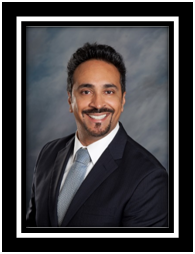
Presented by: Hardev M. Singh, DMD, MS
Speaker Background:
Dr. Hardev M. Singh earned his dental degree from the University of Pittsburgh, School of
Dental Medicine. During his studies, he was awarded the Health Professions Scholarships
Program (HPSP) from the United States Army. As a commissioned dental officer, Dr. Singh
received the Army Service Ribbon, Global War on Terrorism Medal, and the Army
Commendation Medal. Following his military service, he served as an Associate Professor at
Western University, focusing on complex exodontia and pre-prosthetic surgery.
While in academia, Dr. Singh owned a dental practice, pursued licensure in oral sedation, and
completed numerous advanced continuing education courses. His commitment to professional
growth led him to a Periodontics residency at Loma Linda University, where he specialized in
advanced periodontal surgery and implant therapy, graduating as Chief Resident. His training
included complex exodontia, various flap designs, and site preparation for immediate or future
implant placement.
Currently, Dr. Singh is a Board-Certified traveling periodontist, collaborating with multiple
offices in Southern California to provide periodontal therapy and implant treatment. He is also
adjunct faculty at Western University and has published extensively in collaboration with other
clinicians.
Dr. Hardev Singh
Synopsis
Surgical extractions are indicated when teeth cannot be removed safely with forceps alone due to impaction, ankylosis, root morphology, severe structural loss, or proximity to vital structures. Pre-operative planning includes review of systemic risk factors and radiographic evaluation of root anatomy and relationship to structures such as the inferior alveolar nerve canal and maxillary sinus. In this lecture we will discuss sound principles to improve visibility, reduce force, and help preserve surrounding bone and soft tissue.
Complications should be anticipated and managed promptly to minimize morbidity. Intraoperative issues may include root fracture, oroantral communication, nerve injury, tuberosity fracture, and excessive bleeding, each requiring appropriate surgical management. Postoperative complications such as alveolar osteitis, infection, and delayed healing will be discussed and how to reduce this through atraumatic technique, proper closure, and clear postoperative instructions with follow-up.
Learning Objectives
- Identify clinical indications for surgical extraction and recognize cases requiring flap elevation, bone removal, or tooth sectioning.
- Evaluate medical history and radiographic findings to assess surgical risk and proximity to vital structures.
- Demonstrate proper surgical principles including flap design, atraumatic bone removal, and controlled tooth sectioning.
- Recognize and manage intraoperative complications such as root fracture, oroantral communication, nerve injury, and excessive bleeding.
- Implement postoperative protocols to prevent and manage complications including alveolar osteitis, infection, and delayed healing.